Organoid Center
The Organoid Center at ATLATL is designed to help teams generate human-relevant data early and move from idea to proof-of-concept faster.
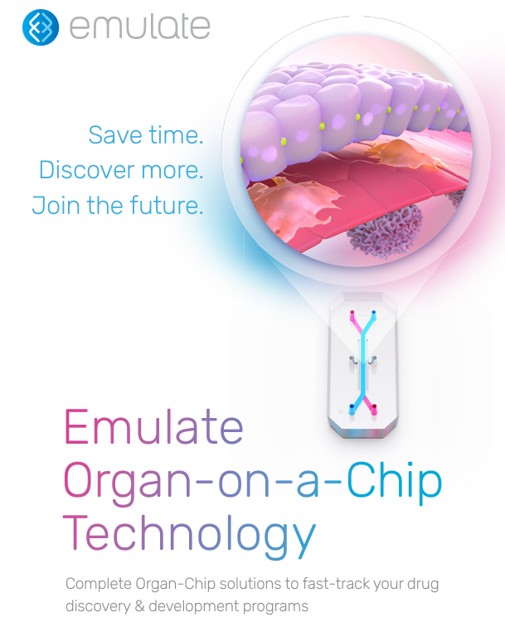
By combining organoids, organ-on-chip systems, and multi-cell co-culture models, the platform recreates key features of human biology—such as tissue interfaces, immune interactions, and dynamic physiological conditions—within a controlled environment. This allows researchers to evaluate drug efficacy, safety, and mechanism of action with greater confidence than traditional in vitro models.
Core Capabilities:
Human-Relevant Disease Models
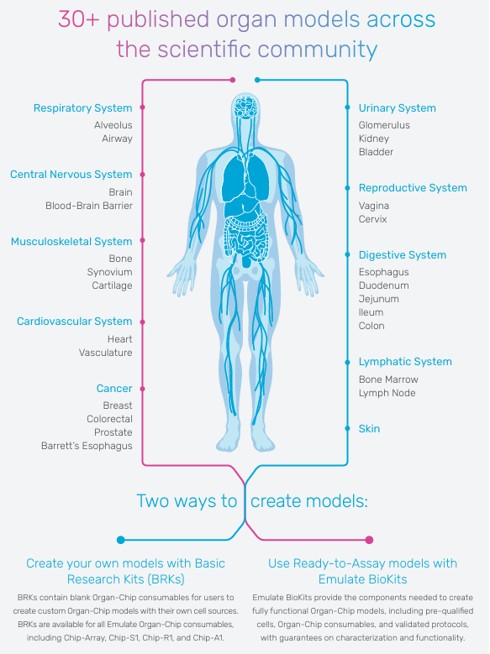
Organoid and organ-on-chip systems for lung, intestine, liver, brain, tumor, and barrier models (e.g., BBB, air-liquid interface).
Tumor Microenvironment & Precision Oncology
Co-culture systems integrating tumor organoids, immune cells, stromal cells, and vascular components for immuno-oncology and personalized response studies.
ADME & Translational Safety
Liver, kidney, and multi-organ models to evaluate metabolism, exposure, and toxicity early in development.
Barrier & Drug Delivery Evaluation
Assessment of drug penetration across BBB, lung, and intestinal barriers, including advanced delivery systems (AAV, LNP).
Multi-Organ Integration
Custom workflows linking multiple organ systems (e.g., gut–liver, tumor–liver) to better predict human responses.

Equipments:
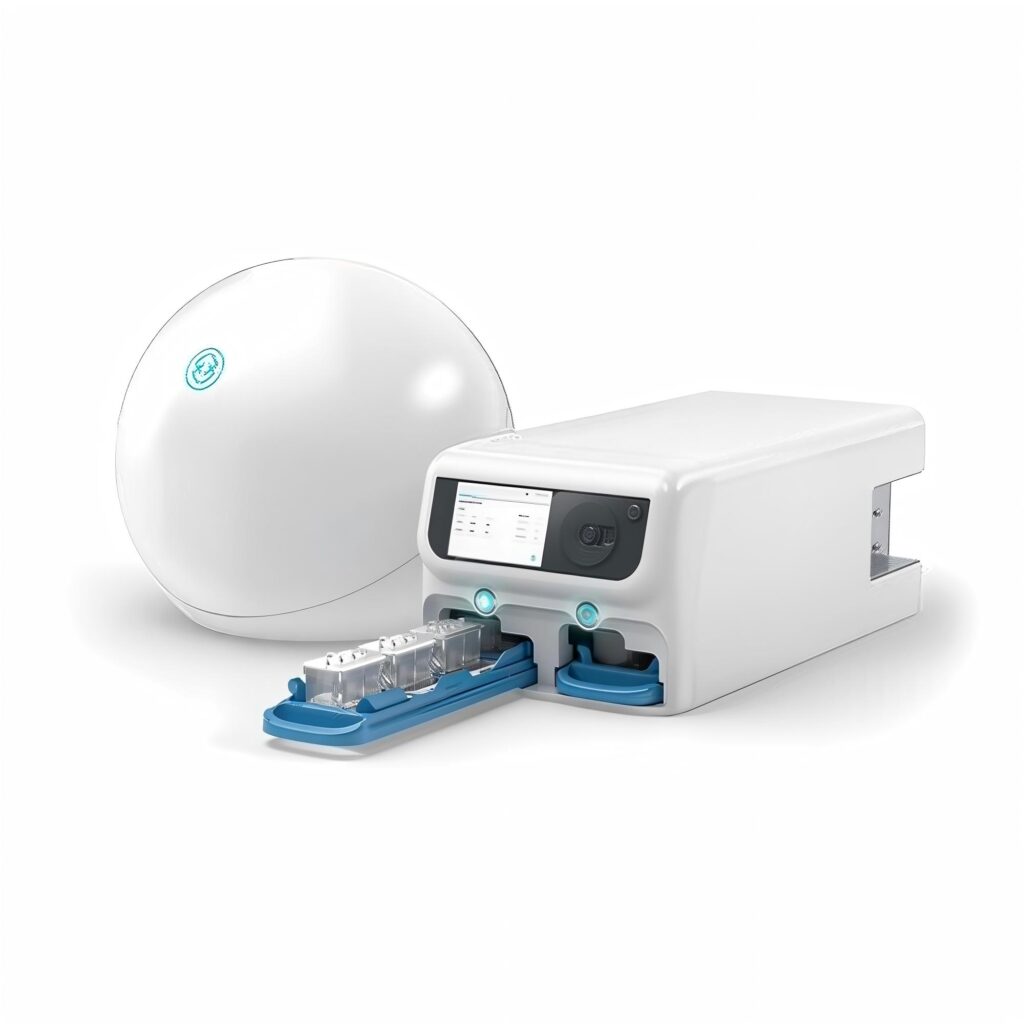
Emulate Zoë-CM2® Culture Module
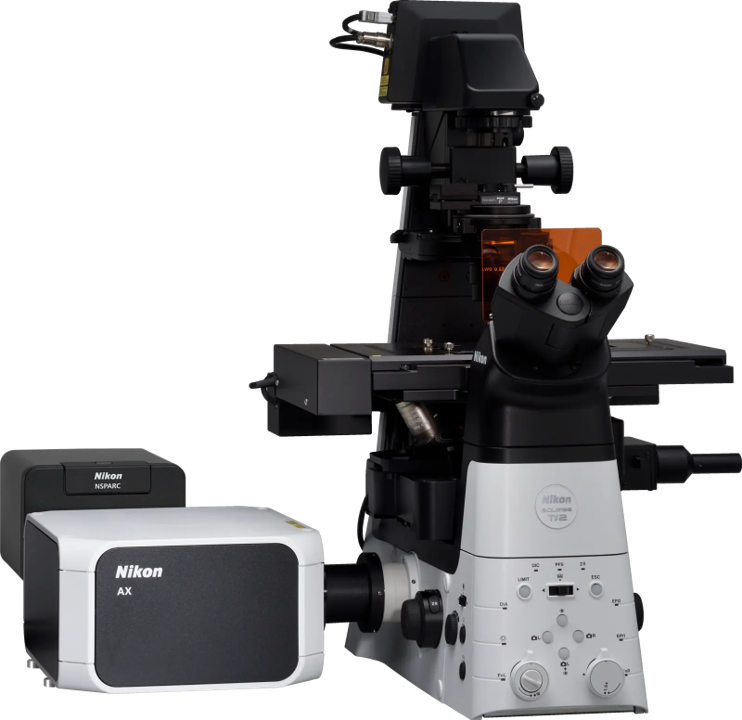
Nikon Confocal Laser Scanning Microscope AX


R&D Applications:
Drug Efficacy & Screening
Organoid-based testing for mono/combination therapies and resistance
Target Validation
Human-relevant disease models for complex biology
Toxicology & Safety
Early detection of organ-specific toxicity
PK/PD & ADME Translation
Predict human pharmacokinetics and exposure
Biomarker Discovery & Precision Medicine
Integrate multi-omics and patient-derived models