
Centre de recherche sur les cellules uniques
Le Centre de Recherche sur les Cellules Uniques d'ATLATL est conçu pour aider les équipes à comprendre la biologie complexe et à identifier plus rapidement les bonnes cibles.
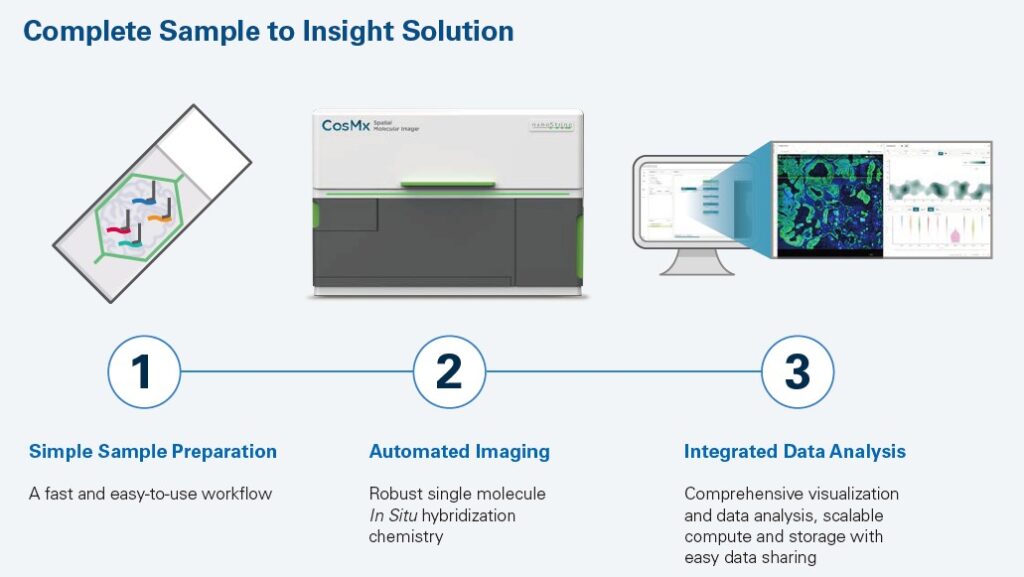
En intégrant la multiomique spatiale à l'analyse fonctionnelle de cellules individuelles en direct, la plateforme permet aux chercheurs de passer de la découverte à la validation en un seul flux de travail. Les scientifiques peuvent d'abord cartographier les types et états cellulaires, ainsi que les interactions au sein du microenvironnement directement dans les tissus humains, puis isoler et tester des cellules individuelles en temps réel pour confirmer leur fonction et leur pertinence thérapeutique.
Situées au sein des bio-hubs d’ATLATL, des équipes travaillent en étroite collaboration avec des experts techniques, permettant des itérations rapides et la génération de données prêtes à être utilisées pour la prise de décision. Cette approche en boucle fermée réduit considérablement l'écart entre la compréhension biologique et le développement thérapeutique, accélérant ainsi les programmes en oncologie, en immunologie et en médecine de précision.
Capacités de base :
Spatial Profilage multiomique
Analyse ARN et protéines multiplex dans des tissus intacts, préservant le contexte spatial et révélant l'hétérogénéité cellulaire.
Criblage fonctionnel unicellulaire
Isolement, culture et surveillance en temps réel de cellules individuelles pour évaluer la sécrétion, la cytotoxicité et le comportement dynamique.
Analyse du microenvironnement tumoral
Cartographie des interactions tumeur-immunité-stroma pour soutenir la découverte de cibles et le développement de biomarqueurs.
Profilage immunitaire et découverte d'anticorps
Criblage à haut débit des lymphocytes B et T pour l'activité fonctionnelle et la sélection de candidats thérapeutiques.
Support au développement de la thérapie cellulaire
Validation fonctionnelle et flux de travail de sélection pour les thérapies CAR-T / TCR-T et autres thérapies cellulaires.
Flux de travail de la découverte à la validation en boucle fermée
Intégration transparente de la découverte spatiale et des tests fonctionnels pour accélérer les résultats translationnels.
Équipements :
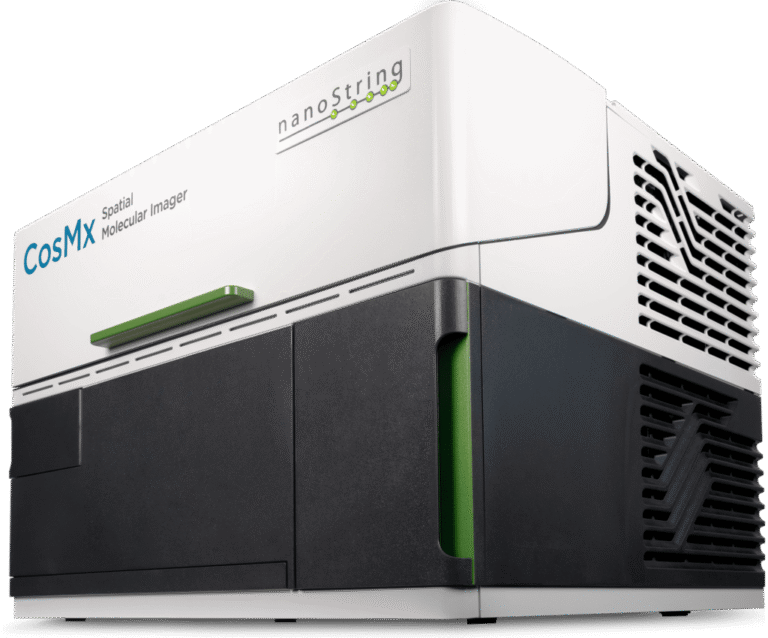
BRUKER CosMx Spatial Molecule Imager
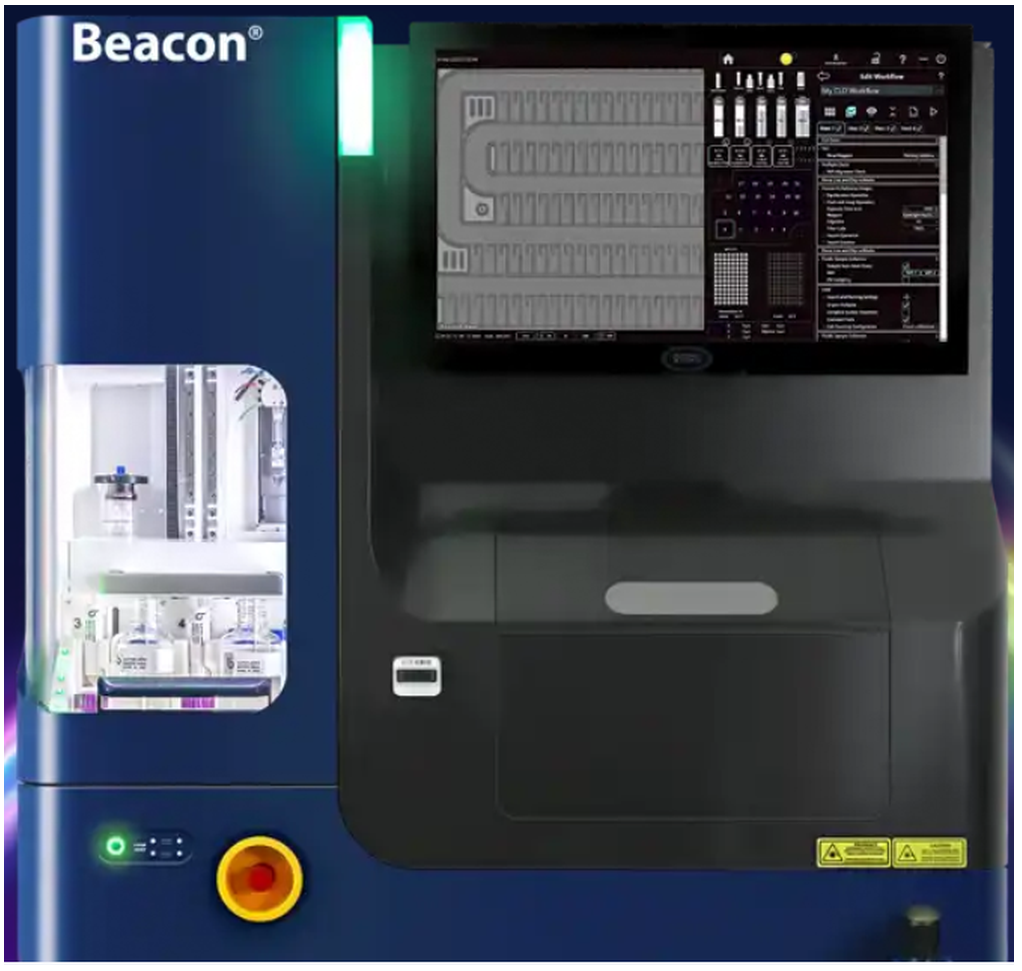
Système optofluidique BRUKER Beacon
Applications R&D :
Découverte et Validation de Cibles
Identifier et valider des cibles biologiquement pertinentes
Oncologie et médecine de précision
Analyse du microenvironnement tumoral et stratification des patients
Immunologie et thérapie cellulaire
Profilage des cellules immunitaires et flux de travail CAR-T / TCR-T
Découverte de biomarqueurs
Intégrer des données spatiales et fonctionnelles
Soutien au dépistage de drogues
Évaluer la réponse à une résolution unicellulaire
 English
  日本語
日本語  简体中文
简体中文  Français
  Deutsch